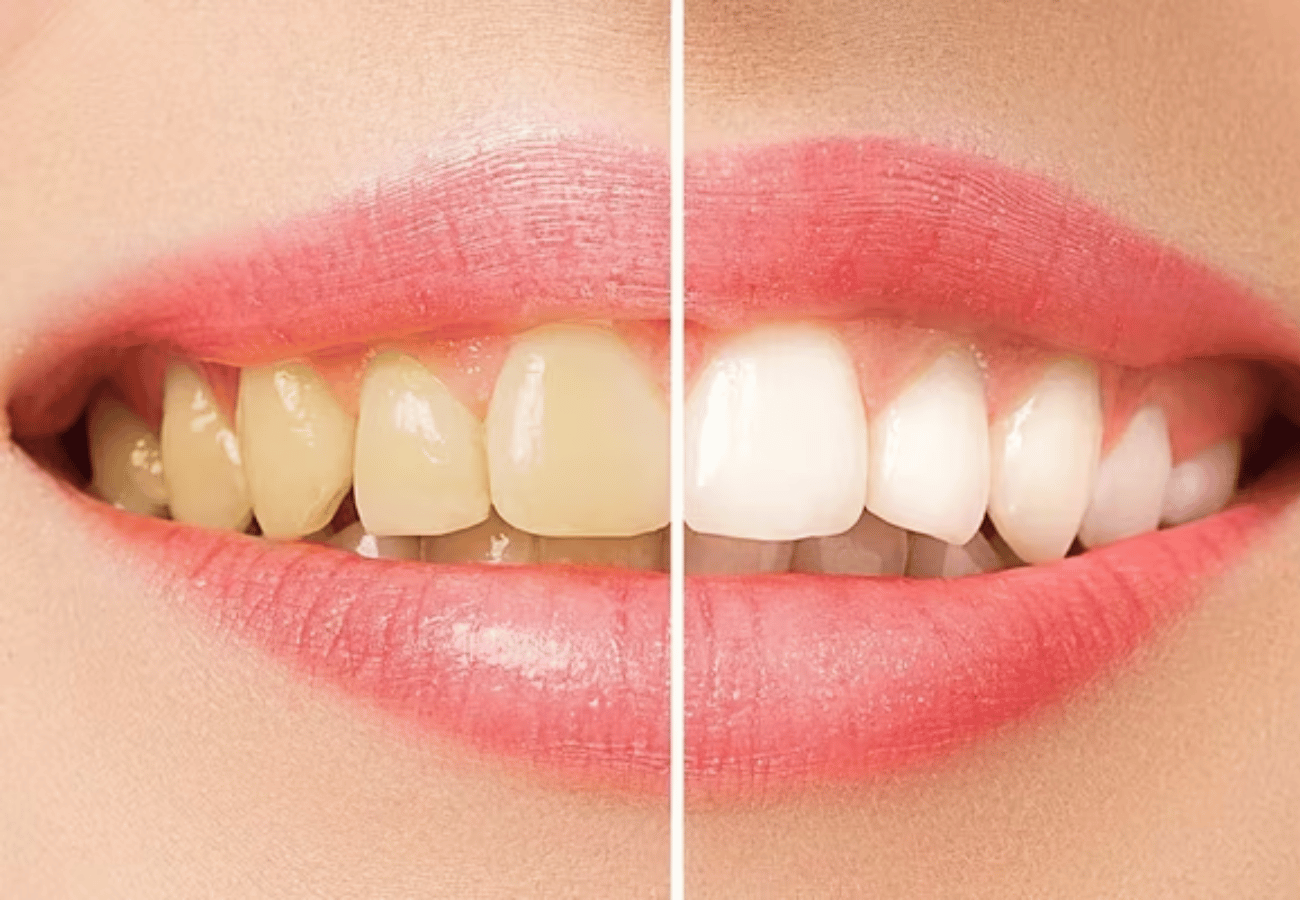
A Dentist Friend Told Me How to Eliminate Tartar, Gingivitis and Whiten My Teeth in 4 Steps With This Homemade Recipe
We’ve all been there. You’re smiling in the mirror, and something looks… off. Your teeth don’t have that bright sparkle they once did. Maybe you feel a rough spot with your tongue or notice your gums look a little puffy and bleed when you brush. You book a dental cleaning, dreading the scraping sounds and the bill.
But what if a simple, at-home ritual could bridge the gap between professional visits? I had a candid conversation with a dentist friend over coffee, and she let me in on a little secret. She revealed that the secret to a dazzling smile and resilient gums isn’t always found in expensive chemical treatments. It’s about consistency and using nature’s power. She shared a simple 4 step teeth whitening method and natural care routine that targets the root of the problem. Here is how you can achieve natural tartar removal, soothe your gums, and brighten your smile using a simple homemade recipe.
Understanding the Sticky Situation: Plaque vs. Tartar
Before we dive into the remedy, it’s important to understand what we are dealing with. Your mouth is a busy place. After you eat, bacteria, acids, and food particles form a sticky film called plaque. If you run your tongue over your teeth in the evening after not brushing all day, that fuzzy feeling is plaque.
The problem starts when plaque isn’t removed effectively. Within a short time, that soft plaque begins to absorb minerals from your saliva. It hardens into a crusty, porous substance called tartar (or calculus). Once tartar forms, you can’t remove it with a toothbrush. This rough texture then attracts even more plaque, leading to a vicious cycle.
Common Causes and Symptoms
- Causes: Poor oral hygiene, consuming sugary or starchy foods, smoking, and even genetics can make you prone to buildup.
- Symptoms of Tartar and Gingivitis:
- Yellow or brown deposits on teeth (usually behind the lower front teeth and on the molars).
- Bad breath (halitosis).
- Red, swollen, or bleeding gums—the classic signs of gingivitis.
- Receding gums.
If left untreated, gingivitis can progress to periodontitis, a serious infection that damages the soft tissue and bone supporting your teeth. This is why learning how to remove tartar at home naturally, as a preventative measure, is a game-changer.
The 4-Step Homemade Dental Care Recipe
This routine combines the antibacterial power of natural ingredients with the mechanical action needed to disrupt plaque before it hardens into tartar. The goal is not just cosmetic homemade teeth whitening, but comprehensive dental care at home. This DIY routine, when used consistently, acts as a powerful natural dental remedy.
What You’ll Need:
- Baking Soda: A gentle abrasive to buff away stains.
- Coconut Oil: Antibacterial and anti-inflammatory properties.
- Hydrogen Peroxide (3% food grade): A natural bleaching agent and antiseptic.
- Warm Water.
- Tea Tree Oil (Optional): For an extra antibacterial punch.
- Soft-bristled toothbrush.
Step 1: The Pre-Rinse – Oil Pulling
How to do it: First thing in the morning, on an empty stomach, take one tablespoon of coconut oil. Swish it around your mouth, pulling it through your teeth, for 10–15 minutes. Spit it into a trash can (not the sink, as it can clog pipes) and rinse your mouth with warm water.
Why it works: This ancient Ayurvedic practice, known as oil pulling, is a fantastic way to kickstart your natural tartar removal process. Coconut oil is rich in lauric acid, which has potent anti-inflammatory and antimicrobial properties. The oil acts like a magnet, trapping bacteria and plaque, thereby reducing the bacterial load responsible for gingivitis. It’s a foundational step for achieving healthy gums naturally.
Step 2: The Homemade Whitening Paste
How to make it: In a small bowl, mix one tablespoon of baking soda with enough 3% hydrogen peroxide to create a paste-like consistency (about one teaspoon). You can add a single drop of tea tree oil for enhanced antibacterial effects.
How to apply: Use a soft-bristled toothbrush to gently apply this mixture to your teeth. Let it sit for 1–2 minutes. Do not scrub aggressively. Baking soda is mildly abrasive, so gentle, circular motions are key.
Why it works: This is the heart of the dentist secret for white teeth concept. Baking soda provides a gentle polish to scrub away surface stains from coffee, tea, and wine, making it an effective method for natural teeth whitening. Hydrogen peroxide is a common ingredient in many commercial whitening strips. At this low concentration, it safely penetrates the enamel to lift deep stains while also killing the bacteria that cause gum disease. This combination helps remove plaque naturally before it can mineralize.
Step 3: The Therapeutic Brush
How to do it: After letting the paste sit, use the same mixture to brush your teeth gently for two full minutes. Pay close attention to the gumline where plaque and tartar love to hide, and don’t forget your back molars.
Why it works: This step is the physical mechanism to eliminate tartar naturally before it hardens. While the paste works chemically, the act of brushing dislodges the softened plaque and food debris. Focusing on the gumline is crucial for gingivitis treatment at home, as it removes the bacterial irritants causing the inflammation. Remember, be gentle to avoid wearing down your enamel or irritating your gums.
Step 4: The Soothing Final Rinse
How to do it: Rinse your mouth thoroughly with warm water. For an added boost, you can follow up with a diluted saltwater rinse (1/2 teaspoon of salt in a glass of warm water). Swish this for 30 seconds and spit.
Why it works: This final rinse washes away the loosened debris and neutralizes the mouth’s pH. Salt water is a natural osmotic agent, meaning it can draw out fluids from inflamed gum tissues, reducing swelling and pain. This step soothes your gums and leaves your mouth feeling incredibly clean and fresh, solidifying your dental care at home routine.
Lifestyle Tips for a Lasting Healthy Smile
This 4-step method is powerful, but it works best alongside good daily habits. To truly master how to cure gingivitis fast and maintain results, incorporate these tips:
- Hydrate, Hydrate, Hydrate: Drinking water, especially after meals, helps wash away food particles and bacteria. It also combats dry mouth, a condition that accelerates plaque buildup.
- Crunchy Fruits and Vegetables: Apples, carrots, and celery are nature’s toothbrushes. Their fibrous texture gently scrubs your teeth as you chew and stimulates saliva production.
- Limit Sugar and Acid: Bacteria in your mouth feast on sugar, producing the acid that eats away at enamel and causes plaque. Reducing your intake of soda, candy, and refined carbs is a powerful step in natural tartar removal prevention.
- Don’t Forget the Floss: No homemade remedy can replace the mechanical action of flossing. It reaches the 40% of tooth surfaces your brush can’t touch.
Frequently Asked Questions
Q1: How often should I use this homemade recipe?
A: For most people, using this routine 2-3 times per week is sufficient. Because baking soda is mildly abrasive, daily use might be too harsh on your enamel. On other days, stick to your regular fluoride toothpaste.
Q2: Is this remedy safe for sensitive teeth?
A: If you have sensitive teeth, proceed with caution. You can reduce the amount of baking soda and ensure the hydrogen peroxide is diluted to 3%. If you experience pain, discontinue use and consult your dentist. This remedy is for maintenance and stain removal, not for treating underlying sensitivity.
Q3: How quickly will I see results?
A: Many people notice a difference in tooth brightness immediately after the first use. However, for significant natural tartar removal and to see a reduction in gum inflammation, it may take 2-4 weeks of consistent use. Remember, hard tartar takes time to soften and break down.
Q4: Can this remove hard, established tartar?
A: This remedy is excellent for preventing tartar and removing the early, soft plaque that leads to it. While it can help soften existing tartar, making it easier to remove during your next dental visit, it cannot completely remove heavy, calcified deposits. Only a professional dental cleaning can do that safely.
Q5: Can I use white vinegar instead of hydrogen peroxide?
A: While some natural recipes use apple cider vinegar, it is highly acidic and can erode tooth enamel if used too frequently. Hydrogen peroxide, at the correct dilution, is a much safer and more effective option for whitening and disinfection.
Safety: When to See a Dentist
This DIY oral care recipe is designed for maintenance and prevention. It is not a substitute for professional dental care. You should see a dentist if:
- Your gums bleed heavily or are persistently painful.
- You notice your gums are pulling away from your teeth (recession).
- You have persistent bad breath despite good oral hygiene.
- You experience tooth sensitivity to hot or cold that lasts.
- You see visible holes or dark spots on your teeth.
A dentist can diagnose underlying issues like periodontitis or cavities that require treatment beyond a home remedy.
The Bottom Line
Achieving a radiant, healthy smile doesn’t have to be complicated or expensive. By understanding the science behind plaque and tartar, and by adopting this simple, 4 step teeth whitening method, you are taking control of your oral health. This isn’t just about aesthetics; it’s about reducing inflammation, preventing disease, and boosting your confidence.
Start with one step, perhaps the oil pulling, and gradually build up to the full routine. Your smile is one of the first things people notice about you. Treat it with the gentle, natural care it deserves. Here’s to a brighter, healthier, and happier you!
Medical Disclaimer: The information in this article is for informational purposes only and does not constitute medical advice. It is not intended to be a substitute for professional dental advice, diagnosis, or treatment. Always seek the advice of your dentist or other qualified health provider with any questions you may have regarding a medical condition or treatment. Reliance on any information provided in this article is solely at your own risk.