10 Easy Ways To Heal Receding Gums Naturally!
Have you noticed your smile looking a little “long in the tooth” lately? Perhaps you’ve felt a sharp sting when sipping a cold smoothie, or noticed a notch near your gum line while brushing.
If so, you are not alone. The sensation of watching your gums shrink away can feel alarming—almost as if your body is quietly betraying you. But before you spiral into worry, take a deep breath. While gum recession is a common dental issue, your mouth is also incredibly resilient. Nature has provided us with a powerful medicine cabinet, and with the right approach, you can create a healthier environment for your gums to thrive.
Let’s walk through ten gentle, effective ways to support your gum health and explore natural options for receding gums treatment right from the comfort of your home.
What Exactly Are Receding Gums?
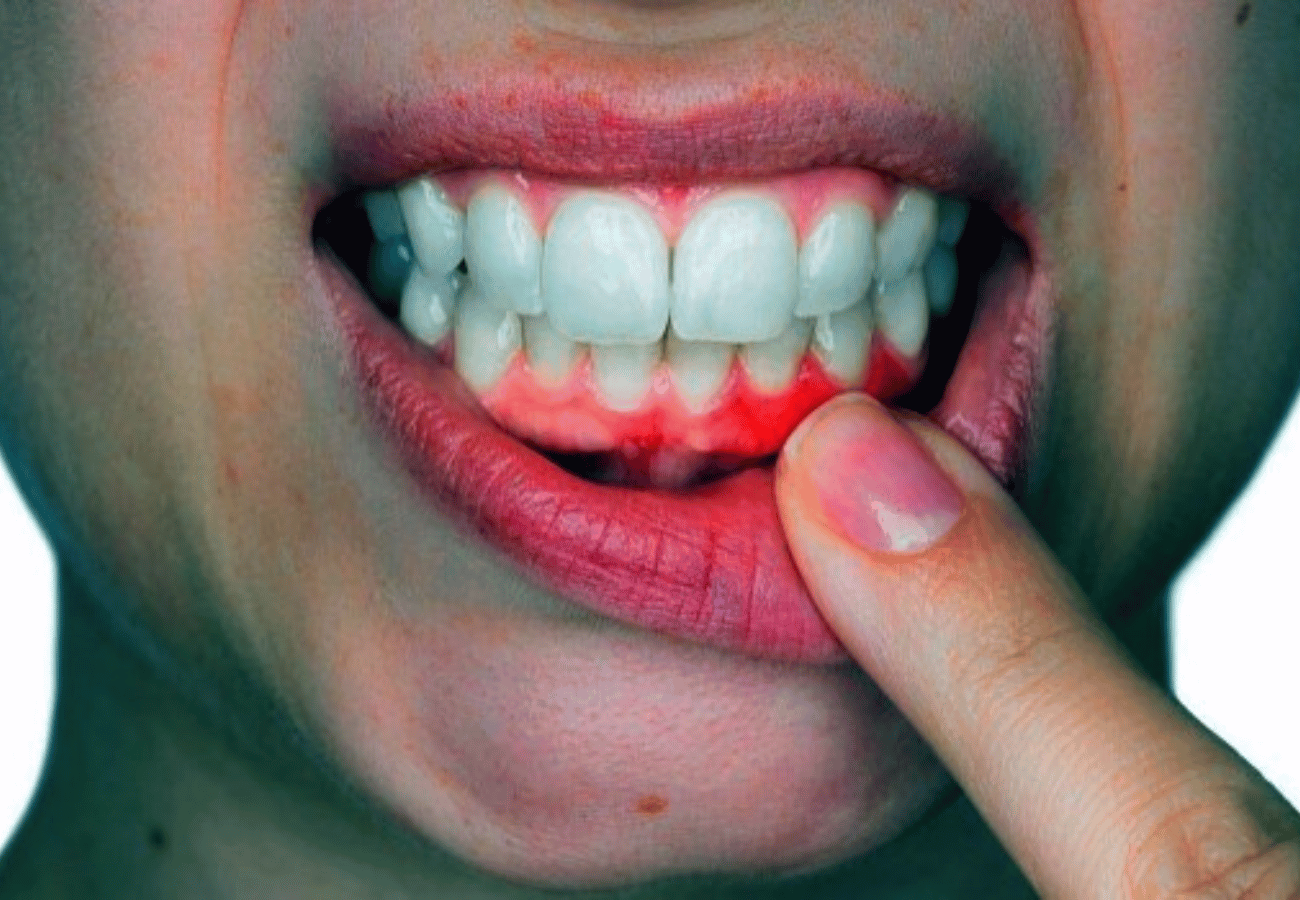
Simply put, receding gums occur when the margin of the gum tissue surrounding the teeth wears away, or pulls back, exposing more of the tooth—or the tooth’s root. This creates “pockets” or gaps between the teeth and gum line, making it easier for bacteria to build up.
If ignored, the supporting bone structure of your teeth can be damaged. However, the goal of gum recession treatment at home isn’t just about aesthetics; it’s about protecting your foundation.
Common Causes of Gum Recession
Understanding the “why” is the first step to healing. Recession doesn’t happen overnight. It is usually the result of a combination of factors:
- Aggressive Brushing: Scrubbing your teeth like you’re trying to clean a dirty tile floor.
- Poor Oral Hygiene: Leading to plaque buildup, which hardens into tartar.
- Genetics: Some of us are simply predisposed to thin, fragile gums.
- Teeth Grinding: The pressure of clenching traumatizes the gums.
- Tobacco Use: Smokers are significantly more likely to have sticky plaque.
10 Natural Ways to Help Reverse Gum Recession Naturally
While deep gum pockets often require professional intervention, mild cases can be managed with diligent care. Here is how you can attempt to reverse gum recession naturally by changing your daily routine.
1. The Gentle Touch: Master the Soft Brush
It sounds counterintuitive, but you can love your teeth to death.
- The Fix: Switch to a soft-bristled toothbrush immediately. If you use an electric brush, do not press hard—simply guide it along the gum line. Think of it as massaging your gums, not scrubbing them.
2. Oil Pulling: The Ancient Detox
Swishing oil in your mouth might sound like a strange folk remedy, but it’s a powerful detoxification method.
- How to do it: Take one tablespoon of coconut oil (known for its anti-inflammatory properties) and swish it gently between your teeth for 10–15 minutes. Spit it into a trash can (not the sink, as it can clog pipes) and rinse with warm water.
- Why it works: It helps reduce the bacteria and plaque that cause gum inflammation, making it a fantastic natural remedy for receding gums.
3. Salt Water Rinse: The Healing Flush
Salt is a natural disinfectant.
- The Routine: Mix one teaspoon of salt in a cup of warm water. Swish it around your mouth for 30 seconds, focusing on the tender areas. Do this twice a day.
- The Benefit: It soothes inflamed gums, reduces bacteria, and promotes healing by creating an alkaline environment where bacteria struggle to survive.
4. Green Tea: Sip Your Way to Health
Your afternoon tea habit might be doing more than just waking you up.
- The Science: Green tea is rich in catechins, antioxidants that fight inflammation and destroy the bacteria responsible for gum disease. Studies have suggested that regular consumption can actually improve gum health and reduce signs of recession. This is a delicious addition to your gum health tips routine.
5. Aloe Vera: The Cooling Healer
Known for healing burns on the skin, aloe vera works wonders on sore gums.
- Application: Apply pure, organic aloe vera gel directly to the receding areas. Gently massage it in, leave it for 10 minutes, and then rinse.
- Why: It acts as a natural anti-inflammatory and antimicrobial agent, helping to soothe irritation and fight the bacteria causing the recession.
6. Vitamin C: The Glue Maker
You cannot hope to strengthen gums naturally without addressing your nutrition.
- The Nutrient: Vitamin C is essential for collagen production. Collagen is the protein that acts as the “glue” holding your gum tissue to your teeth.
- Action: Increase your intake of oranges, kiwis, strawberries, bell peppers, and kale. If your diet is lacking, consider a high-quality supplement.
7. Omega-3 Fatty Acids: The Anti-Inflammatory Powerhouse
Healthy gums are non-inflamed gums. Omega-3s are known for reducing inflammation throughout the body.
- The Source: Eat more fatty fish (salmon, mackerel), flaxseeds, and walnuts. Alternatively, a fish oil supplement can help reduce the gum pocket depth associated with periodontal disease.
8. Tea Tree Oil Mouthwash (Diluted!)
Essential oils can be potent allies, but they must be handled with care.
- The Recipe: Add a single drop of 100% pure tea tree oil to your regular toothpaste or a tablespoon of coconut oil. Do not swallow it.
- The Effect: Tea tree oil is a powerful antiseptic that kills the deep-seated bacteria causing gum inflammation, making it a targeted receding gums treatment.
9. Quit the Grind: Stress Management
Often overlooked, stress is a major contributor to gum recession.
- The Link: Stress leads to two things: 1) Clenching/grinding (bruxism), which puts physical pressure on the gums, and 2) increased cortisol, which weakens the immune system, making it harder to fight gum infections.
- The Fix: Practice jaw relaxation exercises. Try to keep your lips closed and teeth apart during the day (except when eating). If you grind at night, a dentist-made mouthguard is essential.
10. The Turmeric Paste
Turmeric isn’t just for cooking; it’s a potent healer.
- The Mask: Mix turmeric powder with a little water and a pinch of black pepper (to activate the curcumin) to make a paste. Gently rub it on your gums. Leave it for 5 minutes before rinsing.
- Why: Curcumin is a powerful antioxidant and anti-inflammatory that can reduce plaque and gingivitis, helping to halt the progression of gum recession.
Gum Health Tips for Daily Maintenance
Healing isn’t just about the “extras”; it’s about the basics. To truly embrace dental care at home, you must refine your daily habits.
The Flossing Rule
You know the drill: “Only floss the ones you want to keep.” But it’s about how you floss.
- Tip: Curve the floss into a “C” shape against the side of the tooth and gently guide it below the gum line. Don’t just snap it in and out; that traumatizes the tissue.
Hydration is Key
A dry mouth is a breeding ground for bacteria. Saliva is your mouth’s natural defense system. Drink plenty of water throughout the day to wash away food particles and neutralize acids.
When to See a Doctor (Safety Section)
While these natural remedies can significantly improve gum health, they are not a magic bullet. Heal receding gums naturally is a goal for mild cases and maintenance, but severe recession requires a dentist.
You must see a dentist if:
- Your teeth feel loose.
- The recession is causing severe pain.
- You have constant bad breath or a bad taste in your mouth.
- The gums are bright red, swollen, or oozing pus.
- The roots of your teeth are visibly exposed and extremely sensitive.
In these cases, you may need procedures like scaling and root planing (deep cleaning) or a gum graft. Natural remedies can support these treatments but cannot replace them in advanced stages.
Frequently Asked Questions (FAQ)
1. Can gums really grow back?
Gum tissue does not have the ability to regenerate like skin or liver tissue. However, you can reverse gum recession naturally in the sense of halting the progression and tightening the existing gum tissue to make it healthier and cover more of the tooth.
2. What is the fastest way to stop gum recession?
The fastest way to stop it is to eliminate the cause. Switch to a soft brush immediately, stop using tobacco, and begin an anti-inflammatory oral care routine (like salt water rinses and oil pulling).
3. Are electric toothbrushes bad for receding gums?
They can be if used incorrectly. Electric toothbrushes with pressure sensors are excellent because they alert you when you are brushing too hard. Always use a sensitive mode.
4. Can receding gums be reversed by diet?
Absolutely. A diet rich in Vitamin C, Vitamin D, calcium, and Omega-3s provides the building blocks for strong gum tissue and reduces the inflammation that drives recession.
5. Does insurance cover gum graft surgery?
Often, yes—if it is deemed medically necessary to prevent tooth loss. However, coverage varies. Your dentist’s office can help you verify your benefits.
6. Is coconut oil pulling a legitimate natural remedy for receding gums?
Yes, from a supportive standpoint. While it won’t regenerate lost tissue, it significantly reduces the bacterial load and inflammation in the mouth, which are the primary drivers of gum recession. It is an excellent complementary therapy.
The Empowering Conclusion
Seeing your gums recede can feel like watching sand slip through an hourglass. But you have more control than you think. Your mouth is a reflection of your overall health, and by treating your body with respect—through gentle care, nourishing food, and stress management—you create an environment where your gums can stand strong.
Start with one tip today. Perhaps swap your hard-bristled brush for a soft one, or sip a cup of green tea instead of soda. These small, consistent acts of self-care add up. Recession doesn’t have to be your reality; with dedication, you can build a foundation of gum health that lasts a lifetime.
Medical Disclaimer:
The information in this article is for informational purposes only and does not constitute medical advice. Always seek the advice of your dentist, physician, or other qualified health provider with any questions you may have regarding a medical condition or treatment.